Showing posts with label Nutrient. Show all posts

Monday, 3 June 2013

Low Fructose Diets and Fruit - you can have both


It seems the more research is done into nutrition the murkier the waters become and the harder it is to known which foods are the better choices. With much of the current research being done into sugars and fructose, fruit has been put well and truly into the spotlight. There was a time when we suggested you eat 2-3 pieces a day of any fruit. We talked about vitamins and minerals, phytonutrients, bioflavonoids. We chimed on about pigments and antioxidants. We explained fruit is better than processed foods. The reality is that these factors still hold true. Fruit still contains all these things, and all these things are still incredibly good for you. What exactly is the problem then? The problem now however is that we know that fructose, the sugar present in fruit (and processed foods as it’s found in table sugar) is responsible for a range of negative effects on our health.

Research suggests that diets high in fructose lead to insulin resistance, elevated LDL (bad) cholesterol and triglycerides and obesity, all factors for metabolic syndrome. With regards to obesity,  there is evidence to suggest that fructose may not trigger the hormones necessary to tell the brain you are full after eating, therefore contributing to over-eating. Obesity and high LDL and triglycerides are also indicators of cardiovascular risk. High fructose intake has also been linked to non-alcoholic-fatty liver disease, which in some circles is referred to as fructose-induced fatty liver. Overall, research has also shown that fructose has a negative effect on the aging process, meaning that those with high fructose intakes do not age as well. Oh my!

It’s important to note that many foods contain fructose. Table sugar is half glucose half fructose, all processed foods contains fructose, as does anything with high-fructose corn syrup (obviously). Even vegetables contain small amounts of fructose. If you’re worried about it, and there is good evidence to suggest you should be, I would recommend you cut the processed food first. This is nothing new. The processed food has to be the first thing to go.

What do we do though when we’ve already cut out processed foods but are worried about our intake of fruit? Do we eat the fruit for all the nutrients and health benefits, ignoring the negative effects of fructose? Or do we not eat the fruit, ignoring these wonderfully delicious nutritional powerhouses? I would suggest you do neither. The good news is you can have your fruit and eat it too. Some fruits contain higher amounts of fructose than others.

The following fruits have less than 5 grams of fructose per 100grams, the majority of them have less than 3grams fructose per 100gm fruit. Its suggested you should restrict your fructose intake to less than 25 grams daily, so provided you’ve eliminated processed foods, you can comfortably consume 2 serves of fruit each day and enjoy their many wonderful health benefits.
  • Apricots      
  • Banana    
  • Blackberries  
  • Blueberries
  • Rockmelon
  • Cherries
  • Kiwifruit
  • Pear
  • Figs
  • Pomegranate
  • Watermelon
  • Grapefruit
  • Guava
  • Mango
  • Orange
  • Papaya
  • Peach
  • Pineapple
  • Plum
  • Strawberries
Chris

Monday, 20 May 2013

5 Marvelous Benefits of Magnesium

Magnesium is a mineral that plays a role in over 300 different reactions in our body. What are some of the main benefits of magnesium?
gendenk.org
Benefits of magnesium

1.       Reduces blood pressure – the walls of your blood vessels contain muscle tissue that helps them to dilate (stretch open) and contract as blood flows through. This allows your blood vessels to regulate the pressure inside them. Magnesium plays a role in the dilation, or widening of the blood vessels, which reduces the internal pressure. If you guessed that that means magnesium can lower your blood pressure, you guess right.

2.       Muscle relaxant – ever suffered from muscle cramping during the night? Magnesium is a muscle relaxant and cramping is often a sign of low magnesium levels. Ladies, think period pain.

3.       Regulation of blood sugar – magnesium is involved in the regulation of blood sugar levels via its involvement with the secretion of insulin. Many people with type 2 diabetes are shown to have low levels of magnesium. Some research suggests increasing your daily intake of magnesium by 100mg reduces the risk of developing type 2 diabetes by up to 15%, although it should be noted that this could be partly attributed to the fact that foods high in magnesium tend to be whole, nutrient dense foods that are high in fibre and low in sugar. Either way, the end result is great.

4.       Bone health – 60% of the magnesium in the body is found in your bones. Research demonstrates that magnesium is necessary for calcium absorption making it important for bone health and also tooth mineralisation. Healthy bones require a multi-nutrient approach of which magnesium plays a vital role.

5.       Insomnia, depression, and migraine – magnesium plays a role in the production of melatonin, a hormone necessary for sleep, and serotonin, your happy hormone. It also participates in the regulation of stress hormones. As such, magnesium is important for those suffering insomnia, depression or anxiety. This combination of nervous system relaxation, blood vessel relaxation and muscular relaxation can also be useful in treating headaches and migraines. In fact, many people who suffer migraines have low levels of magnesium.

Where do you get magnesium?
  • Whole grains contain good amounts of magnesium. Note however that once you process a grain you lose most of its magnesium content as it’s often found in the bran (outer husk) and germ (inner part) of a grain which are removed during processing. This means that things like flour (bread, pasta) are not good magnesium sources however whole grains are.
  •  Nuts such as almonds, cashews and peanuts contain good amounts of magnesium, as do pumpkin, flax and sesame seeds
  • Dark green leafy vegetables are a great source of magnesium, it is bound to chlorophyll, the green pigment in plants.
  • Cacao is a good source of magnesium. It is used to make dark chocolate or you can buy the powder and use it as you see fit.
  • Herbs and spices are an easy way to add a touch of magnesium to any dish, Try adding coriander, dill, sage or basil to a meal.
You may note that many of the magnesium rich foods are whole foods, I don’t want to harp on it, but there’s a message there. J

Chris

Friday, 17 May 2013

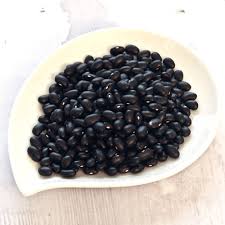
3 delicious black bean recipes


gourmetgoldmine.com
Beans are a nutritious addition to any diet. They are low GI, high in fibre and contribute to your daily protein intake.

You may be familiar with the more commonly eaten kidney beans, cannellini beans or chickpeas, but what about black beans?

Black beans contain on average 24grams carbohydrate per 100gram serve, with 9 grams fibre and around 9 grams protein. This makes them a great contributor of protein to a vegetarian diet.

Nutritionally, Black beans are high in vitamin B1, magnesium, phosphorus and manganese, they also have a decent amount of folate (B9). However they contain most of the B vitamins, albeit in smaller amounts, including B2, B3, B5 and B6. They also contain calcium, copper, zinc and selenium. The black colour of the skin is provided by anthocyanins which are both antioxidants and anti-inflammatory.

Why include black beans in your diet?

Black beans are great for digestive health. The fibre in black beans assists the movement of stool through the digestive tract. Recent research has also shown that black beans help support healthy functioning of the lower colon and may be beneficial in reducing the risk of illnesses such as colon cancer.

Black beans are also high in many heart healthy nutrients making them great for overall cardiovascular health. Soluble fibre in black beans for example helps to reduce cholesterol reabsorption in the intestine. Black beans provide a good amount of magnesium, a mineral beneficial for blood pressure regulation, and folate, which is known to reduce homocystiene levels. Homocystiene is used as a general indicator of heart health.

When it comes to weight loss and blood sugar regulation, beans are a great food to include. Their combination of protein and fibre provides a slow burning, low GI fuel and reduces the GI of foods eaten around the same time. This combination also makes beans a low calorie yet filling food. A nice inclusion to those wanting to lose weight.

The colour of black beans also provides a substantial health benefit. The phytonutrients and anthocyanins in black beans provide antioxidant and anti-inflammatory protection to the body’s cells. If you’ve read my rainbow diet series, you’ll know that including foods of each colour daily provides an array of nutrients and antioxidants that are individual to that particular colour. Black beans are a delicious way to up the black component of your diet.

Struggling to get enough black in your diet? Here are 3 delicious black bean recipes to help you out

Spicy, Citrusy black beans


Spicy, Citrusy Black Beans (photo)

Ingredients


  • 4 cups dried black beans
  • 2 1/2 quarts (10 cups) water
  • 2-3 fresh sprigs oregano, or 1 Tbsp. dried
  • 3 bay leaves
  • 6 small or 3 large sage leaves
  • 2 teaspoons salt
  • 4 Tbsp. olive oil
  • 2 yellow onions, chopped
  • 2 chopped peppers – bell pepper, Anaheim, or jalapeño (your choice, depending on taste for heat), seeds, stems and ribs discarded
  • 6 cloves crushed garlic
  • 2 Tbsp. Ancho red chili sauce, or chili powder or Tabasco to taste*
  • 1-2 teaspoons of puréed chipotle in adobo, chipotle Tabasco, or chipotle powder (to taste)
  • 1 Tbsp. cumin, (crushed whole toasted cumin seed is best, if possible)
  • 3 Tbsp. frozen orange juice concentrate or 1/2 cup fresh orange juice
  • Juice of 1 lime
  • 2 Tbsp. rice wine vinegar
  • Chopped fresh cilantro for garnish

Instructions

1 Prepare the beans. Rinse and sort the beans, discarding any stones or shrivelled beans. You can soak the beans overnight in cold water (cover with several inches of water) OR pour enough boiling water over them to cover by a few inches and soak them for an hour OR skip the pre-soaking step. Soaking will speed up the cooking process. If you soak, discard the soaking liquid after soaking.
2 Add beans to a large pot with 2 1/2 quarts (10 cups) of water. Add oregano, bay leaves, and sage. Bring the beans to a boil and reduce heat to a simmer. Cook until the beans are soft, but not quite done. The time will vary depending on how large, dry, or old your beans are, and if you have pre-soaked them, from anywhere from 30 minutes to an hour and a half.
3 While the beans are cooking, sauté onions and peppers in olive oil until soft. Add chili sauce, chili powder, and/or chili purée, cumin, and garlic. Sauté until spices are fragrant.
4 Fish out and discard the bay leaves, stems of oregano, and sage leaves from the pot of beans. Remove, but reserve, extra cooking liquid until there is about 1/2-inch of liquid above beans.
5 Add the onion mixture and salt to the pot of beans. Cook another hour or so until thickened. Add reserved liquid if needed.
6 Add half of the orange juice, and simmer. Adjust chili heat at this point – you may or may not want to add more of your chili paste. Just before serving, add remaining orange juice, lime juice, and vinegar. Salt to taste. Garnish with chopped fresh cilantro.
Serve with corn tortillas, and/or rice, sour cream, and salsa. Serves 8

Fiesta Bean Salad


Ingredients


2 cloves garlic, minced
3 tbsp. fresh lime juice
1 tbsp. extra virgin olive
1 tsp. cumin
Pinch crushed red pepper flakes
1/2 teaspoon salt
15 oz. can black beans, rinsed and drained
1 cup canned chickpeas, rinsed and drained
1 cup cherry tomatoes, halved
1/4 cup minced red onion, finely diced
1/4 cup cilantro, chopped
1 medium avocado, diced

Directions


1.       In a large bowl, combine the garlic, lime juice, oil, cumin, crushed red pepper, and salt

2.       Add the black beans, chickpeas, tomato, onion and cilantro; mix well. When ready to eat, gently mix in avocado and serve right away

Black Bean Soup

From Food.com – http://www.food.com/recipe/black-bean-soup-152334
Black Bean Soup. Photo by PanNan

Ingredients


2 (16 ounce) cans black beans, undrained, divided
1 cup reduced-sodium chicken broth
 Non-stick cooking spray
1 small onion, chopped
1 teaspoon bottled minced garlic
1 (16 ounce) jar chunky salsa
4 teaspoons lime juice
2 teaspoons ground cumin
1/4 teaspoon crushed red pepper flakes (optional)
1/3 cup plain yogurt (optional)
Fresh cilantro leaves

Instructions


1 PLACE 1 can of beans with liquid and broth in blender or food processor; cover. Blend until smooth. Coat large saucepan with cooking spray. Heat over medium-high heat. Add onion and garlic; cook for 4 to 5 minutes or until onion is tender.

 2 ADD blended bean mixture, remaining beans and liquid, salsa, lime juice, cumin and crushed red pepper. Bring to a boil. Reduce heat to low; cover. Cook, stirring occasionally, for 25 to 30 minutes. Serve topped with yogurt. Garnish with cilantro


Wednesday, 15 May 2013

Healthy bones – preventing or minimising issues with bone health

How often do you think about the health of your bones? Despite their vital function, our bones seem to be a little undervalued, particularly in our younger years. The fact is however that we’d be in a whole lot of trouble without them. Unfortunately we don’t often see the effects of our diet and lifestyle choices on our bone health until we’re older and discover we have osteoporosis or another disease of the bone. By that point it’s too late to rectify the situation and all we can hope for is to reduce further damage.

The good news is that our bones are an ever changing structure. There is a constant movement of minerals in and out of our bones, and a constant building and breakdown of bone tissue. This is a natural occurrence and happens in response to the daily supply of nutrients we provide and the demands we place on our bodies. Whether you’re 25 or 60, you can use these basic principles of diet and lifestyle to improve the structure and function of your bones so they’ll best serve you, and keep you upright!
functiontofitness.com

Diet


Diet is a leading factor in having strong and healthy bones. Your bones are a storage place for a variety of minerals including calcium and phosphorus. These minerals are also found in the blood stream and are used for a variety of functions in the body. When levels of these minerals in the blood stream drop to below ideal concentration the body takes the minerals from the bones to top up blood levels. Ideally, we should ensure that our diet provides our bodies with enough minerals daily so that we don’t need to break down too much bone tissue to fill the demand. Makes sense right? Less breakdown means the bones are stronger and thicker, more breakdown means they’re weakened. Where do we get our minerals for bone health?

Dairy


Dairy was once touted as the best way, if not the only way, to get your calcium and bone loving nutrients. These days however there are a variety of reasons people steer clear of dairy, whether it be due to intolerances, ethical reasons such as veganism or the dislike or processed food (which most of our dairy is). The good news for you is that dairy is not your only option for calcium. If you’re.

1.       For the dairy eater

a.       low fat dairy has slightly more calcium than full fat products

b.      try swisse cheese, ricotta, mozzarella and cheddar for some of the higher calcium concentrations

c.       Consider finding raw unprocessed milk if it’s available in your country (it’s not allowed here in Australia). Given its not treated with heat many of its vitamins like vitamin A and D (both of which are important for bone health) are still present

2.       for the non-dairy eater

a.       If you’re using milk replacements like nut or soy milks check to see that they are fortified with calcium (you’ll see this on the ingredient list and also in the nutritional panel)

Plant foods


Many vegies, particularly dark green leafy vegies provide good sources of dietary calcium, not to mention other nutrients for bone health including manganese, magnesium, potassium, vitamin K, vitamin A and carotenoids.  


1.       Vegies

a.       Dark green leafy vegies – vegetables like spinach and kale and salad leaves like collard greens contain good amounts of calcium.

b.      1 cup of cooked spinach for example contains around 245mg calcium Broccoli is a good calcium source at around 60mg per cooked cup

c.       Most vegetables have small amounts of calcium present so mix it up and work towards a minimum of 3 serves of vegetables a day

d.      Vegies are a great source of nutrients like manganese and copper which are important for bone health. They also contain high amounts of carotenoids, vitamin A and importantly Vitamin K which involved in regulating calcium deposit

2.       Fruit

a.       Fruit like figs, rhubarb, dates and dried apricots contain good amounts of calcium

b.      Fruit is also a great source of potassium and other minerals great for bone health

c.       Quite often fruit juice is fortified with extra calcium

3.       Tips

a.       Lightly cook or steam your dark green leafies to help break down factors that prevent nutrient absorption

b.      Eat a variety of foods, variety is the key to any healthy diet

Nuts and seeds


Nuts and seeds are great sources of minerals

1.       Sesame seeds are a great source of calcium. A quarter of a cup contains around 350mg. You can eat them by the handful, use them as a crust on fish and throw them over salads

2.       Almonds – a small fist full of nuts contains around 75mg of calcium, not to mention magnesium

3.       Include a variety of nuts for their vast mineral content and health benefits

Fish


1.       Eating canned fish such as tuna and salmon with their bones is a good way to get additional calcium

2.       Fatty fish such as mackerel and salmon are food sources of vitamin D

Alkaline diet


Eating a diet high in vegetables and low in acid producing factors such as sugar and alcohol helps keep the bones healthy. How? Minerals often act as buffers, stabilising the pH. If your body is too acidic, minerals will be pulled from the bone or taken from the bloodstream to buffer and reduce the acidity back to your body’s acceptable levels. Eating a nutritious, more alkaline diet means less bone loving minerals being used for other purposes.

Lifestyle factors


Exercise


Exercise is huge for bone health. Your bones are constantly remodelling and rebuilding themselves based on the stress or load you place on them. If you try to lift an item and it puts pressure on your arm bones, your arm bones will over time become stronger in order to support the heavier load. Therefore one of the best ways to improve bone health and strength is to exercise and stress those bones! The best exercises for bone health are those with weight bearing such as

-          jumping rope (weight on the lower body)

-          impact aerobics

-          weight training (full body workout)

-          running/jogging (weight through lower body and spine)

Not into these? Any exercise that has some sort of resistance or weight component will do. Just get moving. Osteoporosis Australia has some great tips on exercise for bone health.

Get enough sunlight


Sunlight allows your body to produce vitamin D and really, you need vitamin D, not just for bone health but for general health and wellbeing. I’ve written an article on vitamin D if you’d like to know more about this fabulous vitamin.

Avoid smoking


The chemicals in smoking reduce your mineral absorption and draw minerals from the bone. Enough said really.

Avoid excess alcohol


Excessive alcohol intake is inflammatory and can cause mineral loss from bone and malabsorption of minerals.
 

Reduce Caffeine and soft drink intake


Both of these affect mineral absorption. Soft drinks are high in phosphorus which needs to be balanced with calcium for proper bone health. Excess soft drink intake can throw this balance out and reduce calcium absorption and bone health.
So there you have it, some diet and lifestyle tips to keep your bones strong and healthy into the future. It isnt complicated but the earlier you start, the better, so eat up.

Chris

Sunday, 12 May 2013

4 ways to improve your nutrient absorption today

Steaming your green leafies increases mineral absorption

consciouslifenews.com
Dark green vegies like spinach, chard and beet leaves contain anti nutritional factors like oxalates. These oxalates are called anti nutritional factors because they reduce the absorption of other nutrients. In the case of oxalates, they reduce calcium absorption. While you can’t eliminate oxalates from your greens all together, you can reduce them by up to 15% by lightly cooking the greens. Note that I said lightly, overcooking them just lowers their nutritional value across the board. Lightly cooking your greens will reduce your total intake of oxalates and assist in improving your mineral absorption.

Increase lycopene absorption by processing your tomatoes

feedthefamily.com.au
This is one of those times where you’ll hear me recommend something seemingly contradictory. Ill often suggest you don’t eat processed food, however in the case of tomatoes, the more processed the better. Lycopene is a carotenoid (similar to beta-carotene) found in tomatoes. It has been shown to be beneficial for heart and cardiovascular health, as a potent antioxidant and for sperm and prostate heath. Research has shown that lycopene is much better absorbed and utilised by the body after tomatoes have been processed and cooked. The presence of fat in the meal also aids in the absorption. So, what is one of the best sauces of lycopene? Tomato paste! It’s highly concentrated, processed, and is traditionally included in foods that contain some fat such as spaghetti bolognaise or pizza.

Reduce gas from beans by soaking them and using spices

Who avoids beans because of the er, digestive disturbance they cause? Beans contain some complex sugars and fibre that most of us struggle to digest. While some people will always struggle to digest beans without gas, many of us will find that we can reduce this lovely effect if we soak them for 6-8 hours before cooking them. You can also follow a multicultural approach. The Japanese will often add a piece of seaweed, such as kombu or wakame to their beans to reduce the gas effect, while in India they use spices such as ginger and asafoetida to make them more digestible.

Increase iron absorption from your vegies with vitamin C rich foods

We all know we get iron from meat, but it is possible to get a decent amount of iron from non-meat sources also. Iron from meat is called heme iron (because its part of haemoglobin in blood) and vegetarian sources are called non-heme iron (because they’re not bound in blood). Heme iron is more easily absorbed than non-heme iron, however you can increase the absorption of your vegetarian iron by making sure you have a vitamin C rich food present. How do you do this? Why include some capsicum (high in vitamin C) in your salad or bean dish?

Wednesday, 8 May 2013

Stuff it - 3 stuffed vegetable recipes

Stuffed vegetables are a delicious way to increase your intake of vegetables and other healthy ingredients. They can be served as a snack, entrée or appetiser and go with any cuisine or menu style. Get creative and stuff your own, or try one of these delicious recipes.

Stuffed Mushrooms

Stuffed Mushrooms
goodchefbadchef.com.au

Recipe from Good Chef Bad Chef

Ingredients

½ cup of quinoa

8 large button mushrooms

2 tbsp olive oil

sea salt and cracked pepper

4 spring onions, (long green) white parts chopped finely

1 – 2 garlic cloves

2 anchovies

1 cup marinated sheep’s feta

1 cup finely chopped herbs - mint, basil, parsley and greens part of spring onion

1/3 cup of baby basil leaves

Directions

1.     Cook quinoa as normal.

2.     Pull the stems off the mushrooms and chop finely, leaving the caps whole. Place the caps on an oven tray drizzled with half the oil and season.

3.     bake or grill for 7 min at 200°C or until they begin to soften. Remove and let cool.

4.     For the filling, make a paste by chopping together the white part of the spring onions, garlic, and anchovies. Sauté gently in the other half of the oil until fragrant.

5.     Now add the chopped mushroom stems and cook until a little soft. Take of the heat then stir through the feta and herbs. Let the mixture cool slightly then quickly blend, keeping it slightly textured.

6.     Place in a piping bag and pipe about one teaspoon of mixture into the mushrooms (straight down, not swirled.)

7.     Garnish with baby basil leaves.

Stuffed Capsicums


Taste.com.au, find the recipe here

Stuffed capsicum
Ingredients

  • 3 capsicum (we used red, yellow and green), halved, seeds removed
  • 1/4 cup (60ml) olive oil
  • 150g ricotta cheese
  • 150g cherry tomatoes, halved
  • 1 small red onion, thinly sliced
  • Grated rind of 1 lemon
  • 1 garlic clove, crushed
  • 1/2 cup torn basil leaves

Directions

1.     Preheat oven to 180°C.

2.     Toss the capsicum in half the oil, then place on a baking tray.

3.     Combine ricotta, tomatoes, onion, rind, garlic and half the basil, then use to fill the capsicum.

4.     Drizzle with remaining oil and bake for 20-25 minutes. Garnish with remaining basil

Stuffed eggplant


Recipe from EatDrinkPaleo.com.au
paleo baked eggplant recipe
Ingredients

  • 1 large eggplant, washed and dried
  • 2 medium tomatoes
  • 1 garlic clove, peeled
  • 2-3 springs of fresh thyme
  • 2 1/2 tbsp olive oil
  • 1/2 lemon juice
  • Sea salt
  • Cracked black pepper
  • Extra olive oil for roasting

Directions

1. Heat oven to 200C. Place whole eggplant in a tray and bake on a middle shelf 30 minutes.

 2. Take eggplant out and carefully cut in half, length way. It should be getting soft and steamy on the inside. Turn the heat down to 180C. Drizzle each eggplant half with 1 tablespoon of olive oil and roast in the oven, flesh facing up, for additional 25 minutes or until crispy brown on top.

 3. Cut tomatoes into quarters, remove butts and seeds, dice into small squares. Chop garlic very finely and remove thyme leaves from springs.

 4. Remove eggplant from the oven and let it cool down for about 5 minutes. Carefully cut out the inside of the eggplant flesh, about 50mm away from the edges. Sprinkle a little lemon juice and sea salt on the bottom of the eggplant holes.

 5. Chop eggplant flesh and add to tomatoes, garlic and thyme. Add salt, pepper, lemon juice and two and a half tablespoons of olive oil to the salsa mix. Combine well and scoop equal amounts of mixture back into eggplant boats, garnish with a spring of thyme and a drizzle of olive oil for extra shine


Saturday, 4 May 2013

5 Yellow Foods to Include in Your Diet

Well, we're nearing the end of our discussion on how to include a variety of different coloured foods in your diet. Eating a rainbow diet is important as each colour brings with it its own set of nutrients and health benefits, certainly some overlap, but each will have some benefits, nutrients, phytochemicals, that are particular to its own colour. So, here you are, 5 yellow foods to include in your diet.


Passionfruit. renescentcollege.com
Passionfruit
I find passionfruit to be one of those deliciously wonderful fruits that you can’t get enough of, I mean that literally, the edible bit is so tiny, if you’re lucky you get a spoonful but it is so worthwhile.  That tangy stringy slippery pulp over the crunchy seeds. Yum. The only issue I have with passionfruit is that they’re often quite expensive, for that tiny bit of pulp you want to be sure they’re good. Being a little fruit, 2 pieces of fruit is one serve. You can cut them in half and eat them as is, scoop out the inside and use it over fruit salad, a Pavlova or any dessert really. Tiny, expensive, risk of not being good… why on earth am I suggesting you eat passionfruit?

Why passionfruit?

The pulp of one passionfruit contains approximately 4grams of carbohydrates, 2gms of which are sugar, 2 grams of which are fibre, making it a low GI food. They contain vitamin A and related nutrients such as beta-carotene, vitamin C and folate. For their itty bitty size, they also have a decent amount of phosphorus and potassium and an incy wincey bit of calcium.

What are passionfruit good for?

Good for the immune system with their vitamin A and C, pre pregnancy in conjunction with other fruits and vegetables due to their folate content. They’re also good for bone and nervous system health with phosphorus, potassium and calcium.

Banana

Who hasn’t tried a banana? Here in Australia where they grow like crazy we’re so spoilt with banana’s I have to admit I almost forget them. They’re delicious, they’re cheap and they’re always available. We’re so used to having banana’s the whole country went into a tailspin when a cyclone decimated our banana crops and they were in limited supply and super expensive. It was amazing how many discussions I had on this topic!

Why banana?

Banana’s contain most of the B vitamins and are a particularly good source of B6. They have plenty of potassium, phosphorus and magnesium. Bananas also contain a small amount of calcium. They have a low glycaemic index and load

What are banana’s good for?

Bananas are great for people who are active, they’re a good source of B vitamins and carbohydrates for energy, and minerals for rehydration. Increased dietary potassium (in conjunction with low sodium) is good for heart health.

Turmeric

Everyone is talking about the health benefits of turmeric. This colourful herb is used a regularly in south Asian and Middle Eastern cuisine. You’ll see it in all sorts of curries and used as a colouring to make rice dishes golden. The colouring properties of turmeric are amazing, and if you’ve ever spilt it, or tried to grate the fresh root you’ll know just how colourfast it is. I’ve had yellow hands for days from grating the fresh root. You can find the fresh root in your supermarket, often near the ginger, or sometimes where you find the chillis. Cook delicious meals from exotic cuisines, or just add it to anything, freshly grated or in powdered form.

Why turmeric and what’s it good for?

Enormous amounts of research into turmeric and its chemical constituents is currently being conducted. To date, turmeric has been shown to have anti-inflammatory benefits as well as being a potent antioxidant. It is currently being used and trialled for a variety of inflammatory conditions including any inflammation of the digestive tract, skin conditions such as eczema and psoriasis and arthritis. It also has liver and digestive benefits due to its stimulation of bile which aids fat digestion. Studies are investigating uses and benefits of turmeric in degenerative diseases such as Alzheimer’s.

Lemon

Lovely lemon. Known for its ability to give a kick to any meal, lemon goes particularly well with seafood. It is however, a delicious ingredient in its own right. Add it to water, or to your juicer, use it as a dressing over your salad or grate the skin over your food.

Why lemons?

Lemons are high in vitamin C and the white pith on the inside of the skin is a good source of bioflavonoids. They also aid in the flow of bile which is great for digestion. Many people drink warm lemon water first thing in the morning for this purpose. They also contain some vitamin A, folate, and calcium, phosphorus and potassium.

What are lemons good for?

I would include lemon for the immune system, and bone and nervous system health, it’s also a great digestive tonic and natural detoxifier.

Squash

Most of us will have eaten pumpkin or potato, but have you had squash? the name refers to a variety of foods, pumpkin is in the squash family, but I like the cute little yellow ones, they're a great addition to a weekend roast.

Why squash?

Squash contain a good amount of vitamin A, lutein and zeaxanthin. They contain most of the B vitamins including folate, vitamin C and iron. They also have good amounts of magnesium, potassium and zinc.

What are squash good for?

A good source of energy, squash have a great nutritional profile. They’re good for the immune system and eye health due to their vitamin A (and related nutrients), vitamin C and zinc levels. Good for heart and cardiovascular health with their B vitamins, magnesium and potassium.  They are a good addition to a vegetarian diet for their iron levels.
 
 
So, there you have it, 5 yellow foods to include in your diet. Give them a go, you may find you love them too.
Chris