 Probiotics are the good bacteria that colonise the digestive
system. They play a variety of roles both in our digestive health and our
overall wellbeing. Probiotics
-
Prevent the overgrowth of pathogens, or bad
bacteria – there is only so much room in there. The more good bacteria, the
less bad bacteria can fit in!
-
Helps to promote proper breakdown of food
-
Can reduce symptoms of diarrhoea
-
Lowered cholesterol – there is some evidence to
suggest that probiotics can break down bile (digestive salts) in the
intestines, preventing it from being reabsorbed
-
Improved immunity – your gut provides a line of
defence against infection. Good levels of probiotics prevents overgrowth of
pathogens, and there is some evidence to suggest they can increase the levels
of our immune cells
-
Beneficial in the treatment or bowel conditions
such as crohns, IBS and colitis.
-
Certain strains are useful in reducing skin
conditions such as eczema
-
Probiotics are able to manufacture some vitamins
including vitamin K, B12 and biotin.
-
Can reduce allergic response, not just to food
intolerances, but to environmental allergens also
-
Beneficial to women who suffer thrush, candida
and cystitis by recolonising the urogenital area and maintaining the right pH.
This prevents the overgrowth of those pesky bad bacteria in these areas and
reduces susceptibility to infection.
This is really only the tip of the iceberg with ongoing
research being done into this area. As a rule of thumb, I would make it a priority
to make sure your gut health is up to scratch and probiotics are certainly one
of the most important aspects of this.
How do you increase your good gut bacteria?
I’m sure you’ve seen the hundreds of probiotic supplements
in the chemist or health food store. These can be beneficial, particularly
during times when high doses are required, such as following antibiotics or
when suffering from thrush. However for most of us, eating probiotic foods is a
great way to increase your levels of these bacteria. The benefit with eating
probiotic rich foods is that they often contain a much larger number of strains
of bacteria, there are thousands of types of probiotic bacteria, and most
supplements only contain a few strains. Food sources often also contain the
fibres and sugars required to nourish both your gut bacteria, and you.
Yoghurt, Kefir and cultured foods
 You’ve heard of yoghurt, I’m sure, and you know to look for
the ones that have probiotics in them. Kefir is a fermented dairy drink that
contains billions of live probiotics, prebiotics and beneficial yeasts. Most
people who are intolerant to the lactose in dairy and drink kefir as the
lactose has been broken down by the bacteria, however follow your own gut on
this. Cultured vegetables are vegetables that have been fermented to also
contain high levels of beneficial bacteria and prebiotics and again are a great
way to boost your levels. Fermented foods include sauerkraut and the Korean kimchi,
but most vegetables and a variety of other products can be fermented.
You can buy these foods premade at your local health food
store or make your own. You don’t have to eat much, just a small amount daily
will do it.
Interested in making your own probiotic foods?
Making your own pre and probiotic foods is a great way to
increase your levels of these beneficial bacteria and improve your gut health. Depending
on your circumstances, you may find it to be cheaper, and certainly if you’re
someone who has multiple allergies or intolerances, you’ll find it easier to
make your own foods as you always know what’s in them.
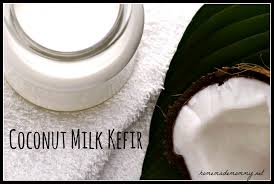 The making of yoghurt, kefir and cultured vegies is quite specific so I have
included a bunch of links for you. In the links below you’ll find all the
information you need to make these foods successfully, and with maximum
bacterial punch! I have included a variety of options, such as dairy and non-dairy
options, paleo options and vegan option. There should be something for everyone
in there.
Happy making.
Making your own yoghurt
Make Your own Yoghurt (dairy) http://www.makeyourownyogurt.com/make-yogurt/what-you-need
Down to Earth (dairy) http://down---to---earth.blogspot.com.au/2011/09/yoghurt-make-it-yourself.html
Cultures for health – (coconut milk) http://www.culturesforhealth.com/make-coconut-milk-yogurt-recipe
Kefir
GAPS Australia – comprehensive website about all kinds of
kefir http://gapsaustralia.com.au/kefir-2/
Cultured foods
The Body Ecology Diet - http://bodyecology.com/#

Watermelon
