Showing posts with label antiaging. Show all posts

Monday, 3 June 2013

Low Fructose Diets and Fruit - you can have both


It seems the more research is done into nutrition the murkier the waters become and the harder it is to known which foods are the better choices. With much of the current research being done into sugars and fructose, fruit has been put well and truly into the spotlight. There was a time when we suggested you eat 2-3 pieces a day of any fruit. We talked about vitamins and minerals, phytonutrients, bioflavonoids. We chimed on about pigments and antioxidants. We explained fruit is better than processed foods. The reality is that these factors still hold true. Fruit still contains all these things, and all these things are still incredibly good for you. What exactly is the problem then? The problem now however is that we know that fructose, the sugar present in fruit (and processed foods as it’s found in table sugar) is responsible for a range of negative effects on our health.

Research suggests that diets high in fructose lead to insulin resistance, elevated LDL (bad) cholesterol and triglycerides and obesity, all factors for metabolic syndrome. With regards to obesity,  there is evidence to suggest that fructose may not trigger the hormones necessary to tell the brain you are full after eating, therefore contributing to over-eating. Obesity and high LDL and triglycerides are also indicators of cardiovascular risk. High fructose intake has also been linked to non-alcoholic-fatty liver disease, which in some circles is referred to as fructose-induced fatty liver. Overall, research has also shown that fructose has a negative effect on the aging process, meaning that those with high fructose intakes do not age as well. Oh my!

It’s important to note that many foods contain fructose. Table sugar is half glucose half fructose, all processed foods contains fructose, as does anything with high-fructose corn syrup (obviously). Even vegetables contain small amounts of fructose. If you’re worried about it, and there is good evidence to suggest you should be, I would recommend you cut the processed food first. This is nothing new. The processed food has to be the first thing to go.

What do we do though when we’ve already cut out processed foods but are worried about our intake of fruit? Do we eat the fruit for all the nutrients and health benefits, ignoring the negative effects of fructose? Or do we not eat the fruit, ignoring these wonderfully delicious nutritional powerhouses? I would suggest you do neither. The good news is you can have your fruit and eat it too. Some fruits contain higher amounts of fructose than others.

The following fruits have less than 5 grams of fructose per 100grams, the majority of them have less than 3grams fructose per 100gm fruit. Its suggested you should restrict your fructose intake to less than 25 grams daily, so provided you’ve eliminated processed foods, you can comfortably consume 2 serves of fruit each day and enjoy their many wonderful health benefits.
  • Apricots      
  • Banana    
  • Blackberries  
  • Blueberries
  • Rockmelon
  • Cherries
  • Kiwifruit
  • Pear
  • Figs
  • Pomegranate
  • Watermelon
  • Grapefruit
  • Guava
  • Mango
  • Orange
  • Papaya
  • Peach
  • Pineapple
  • Plum
  • Strawberries
Chris

Wednesday, 15 May 2013

Healthy bones – preventing or minimising issues with bone health

How often do you think about the health of your bones? Despite their vital function, our bones seem to be a little undervalued, particularly in our younger years. The fact is however that we’d be in a whole lot of trouble without them. Unfortunately we don’t often see the effects of our diet and lifestyle choices on our bone health until we’re older and discover we have osteoporosis or another disease of the bone. By that point it’s too late to rectify the situation and all we can hope for is to reduce further damage.

The good news is that our bones are an ever changing structure. There is a constant movement of minerals in and out of our bones, and a constant building and breakdown of bone tissue. This is a natural occurrence and happens in response to the daily supply of nutrients we provide and the demands we place on our bodies. Whether you’re 25 or 60, you can use these basic principles of diet and lifestyle to improve the structure and function of your bones so they’ll best serve you, and keep you upright!
functiontofitness.com

Diet


Diet is a leading factor in having strong and healthy bones. Your bones are a storage place for a variety of minerals including calcium and phosphorus. These minerals are also found in the blood stream and are used for a variety of functions in the body. When levels of these minerals in the blood stream drop to below ideal concentration the body takes the minerals from the bones to top up blood levels. Ideally, we should ensure that our diet provides our bodies with enough minerals daily so that we don’t need to break down too much bone tissue to fill the demand. Makes sense right? Less breakdown means the bones are stronger and thicker, more breakdown means they’re weakened. Where do we get our minerals for bone health?

Dairy


Dairy was once touted as the best way, if not the only way, to get your calcium and bone loving nutrients. These days however there are a variety of reasons people steer clear of dairy, whether it be due to intolerances, ethical reasons such as veganism or the dislike or processed food (which most of our dairy is). The good news for you is that dairy is not your only option for calcium. If you’re.

1.       For the dairy eater

a.       low fat dairy has slightly more calcium than full fat products

b.      try swisse cheese, ricotta, mozzarella and cheddar for some of the higher calcium concentrations

c.       Consider finding raw unprocessed milk if it’s available in your country (it’s not allowed here in Australia). Given its not treated with heat many of its vitamins like vitamin A and D (both of which are important for bone health) are still present

2.       for the non-dairy eater

a.       If you’re using milk replacements like nut or soy milks check to see that they are fortified with calcium (you’ll see this on the ingredient list and also in the nutritional panel)

Plant foods


Many vegies, particularly dark green leafy vegies provide good sources of dietary calcium, not to mention other nutrients for bone health including manganese, magnesium, potassium, vitamin K, vitamin A and carotenoids.  


1.       Vegies

a.       Dark green leafy vegies – vegetables like spinach and kale and salad leaves like collard greens contain good amounts of calcium.

b.      1 cup of cooked spinach for example contains around 245mg calcium Broccoli is a good calcium source at around 60mg per cooked cup

c.       Most vegetables have small amounts of calcium present so mix it up and work towards a minimum of 3 serves of vegetables a day

d.      Vegies are a great source of nutrients like manganese and copper which are important for bone health. They also contain high amounts of carotenoids, vitamin A and importantly Vitamin K which involved in regulating calcium deposit

2.       Fruit

a.       Fruit like figs, rhubarb, dates and dried apricots contain good amounts of calcium

b.      Fruit is also a great source of potassium and other minerals great for bone health

c.       Quite often fruit juice is fortified with extra calcium

3.       Tips

a.       Lightly cook or steam your dark green leafies to help break down factors that prevent nutrient absorption

b.      Eat a variety of foods, variety is the key to any healthy diet

Nuts and seeds


Nuts and seeds are great sources of minerals

1.       Sesame seeds are a great source of calcium. A quarter of a cup contains around 350mg. You can eat them by the handful, use them as a crust on fish and throw them over salads

2.       Almonds – a small fist full of nuts contains around 75mg of calcium, not to mention magnesium

3.       Include a variety of nuts for their vast mineral content and health benefits

Fish


1.       Eating canned fish such as tuna and salmon with their bones is a good way to get additional calcium

2.       Fatty fish such as mackerel and salmon are food sources of vitamin D

Alkaline diet


Eating a diet high in vegetables and low in acid producing factors such as sugar and alcohol helps keep the bones healthy. How? Minerals often act as buffers, stabilising the pH. If your body is too acidic, minerals will be pulled from the bone or taken from the bloodstream to buffer and reduce the acidity back to your body’s acceptable levels. Eating a nutritious, more alkaline diet means less bone loving minerals being used for other purposes.

Lifestyle factors


Exercise


Exercise is huge for bone health. Your bones are constantly remodelling and rebuilding themselves based on the stress or load you place on them. If you try to lift an item and it puts pressure on your arm bones, your arm bones will over time become stronger in order to support the heavier load. Therefore one of the best ways to improve bone health and strength is to exercise and stress those bones! The best exercises for bone health are those with weight bearing such as

-          jumping rope (weight on the lower body)

-          impact aerobics

-          weight training (full body workout)

-          running/jogging (weight through lower body and spine)

Not into these? Any exercise that has some sort of resistance or weight component will do. Just get moving. Osteoporosis Australia has some great tips on exercise for bone health.

Get enough sunlight


Sunlight allows your body to produce vitamin D and really, you need vitamin D, not just for bone health but for general health and wellbeing. I’ve written an article on vitamin D if you’d like to know more about this fabulous vitamin.

Avoid smoking


The chemicals in smoking reduce your mineral absorption and draw minerals from the bone. Enough said really.

Avoid excess alcohol


Excessive alcohol intake is inflammatory and can cause mineral loss from bone and malabsorption of minerals.
 

Reduce Caffeine and soft drink intake


Both of these affect mineral absorption. Soft drinks are high in phosphorus which needs to be balanced with calcium for proper bone health. Excess soft drink intake can throw this balance out and reduce calcium absorption and bone health.
So there you have it, some diet and lifestyle tips to keep your bones strong and healthy into the future. It isnt complicated but the earlier you start, the better, so eat up.

Chris

Monday, 6 May 2013

Longevity - living longer and living well

ngm.nationalgeographic.com
Yesterday was a wonderful day. We celebrated my Nan’s 70th birthday with a BBQ, an insane amount of food, a huge number of family and friends and a lot of love and laughter. We adored my great Nan, who at almost 92 still has room to try multiple desserts, even after she sampled every other food on offer during the day. Bessie sits in her chair, covered in pink, propped up by her pillows and makes us laugh, reminding us that despite recent declining physical health, she’s still with us mentally. My Nan of course, is always the picture of love, kindness and positivity. At 70 she’s still going strong with no sign of slowing down. She is unlike most of the 70 year olds I come across. It seems to be a mistake to put my Nan and ‘70’ in the same sentence. They are not a fit.

image.jpeg
Great Nan and 2 of her kids, birthday
girl Nan + my great uncle Athur
As I was sitting here at my laptop wondering what to write about today, I kept thinking of my nan and great nan, and the long list of family members on both sides of my family who live well into their late 80’s and 90’s while maintaining their mental and physical wellbeing. We’ve certainly lost some much loved people well before their time. We are still mourning our most recent loss. A devastating blow to our family. We for the most part, certainly have good genes, however there is always a chance for something to go wrong, and the odds are that something will go wrong somewhere in every family. So I started thinking about longevity and aside from our genes, what factors have kept part of my family, and other families around the world, living so well into their later years. What keeps them active and fit, both physically and mentally?

Evidence demonstrates that longevity is based on 2 things, genetics and lifestyle choices. It is suggested that around 20-30% of our health and longevity comes from our genes. That’s great news, it means that 70-80% is up to us! Our individual behaviours and environment can alter our life expectancy and quality. Given we can’t switch our genes on and off as we please, let’s take a look at the key diet and lifestyle choices that we can make.

Diet  


We know that diet has a huge effect on lifespan. The dietary guidelines for longevity are really just those for good health. Let’s take a look at some simple recommendations

1.       Eat a Mediterranean style diet. The Mediterranean diet includes all the foods we know improve health. Lean protein, lots of fruit and vegetables, whole grains, beans and legumes, nuts and seeds. It’s nutritionally dense and high in fibre. A Mediterranean style diet is really just a healthy diet. It lowers your risk of disease and improves life expectancy.

2.       Eat a rainbow diet. If you’ve been reading my rainbow diet series, you’ll understand that each colour comes with its own set of nutrients, phytochemicals and antioxidants. Eating a varied diet ensures you’re getting everything you need to keep you healthy

3.       Avoid sugar and processed food. Increasing longevity is about improving health. You therefore want to avoid doing things that harm your health. True? Sugar and processed crap harm your health. When you eat a junk meal, you’ve not only put ugly unnecessary things into your body but you’ve also missed the opportunity to put good, healthy, nutrient dense goods in. Eating junk means you’ve deprived your body of necessary nutrition. Not the best way to achieve health and longevity.

4.       Calorie restriction. I am not a fan of this term, it sounds a bit harsh, but really all it means is that you eat a diet that is lower in calories. Research shows that those of us who eat less calories live longer than those that over eat. Makes sense right, when you think of over eating or high calorie diets what do you think of? I think of junk food, fatty foods, obesity, diabetes etc. Eating a healthy diet will naturally reduce your caloric intake.

5.       Don’t smoke or drink in excess. In California, the Seventh Day Adventists are recognised as having a particularly long lifespan. Why? Their religion requires that they don’t drink or smoke and are vegetarian. It also apparently encourages them to recreate on the weekends. We know what smoking does to the body. We know what excessive alcohol intake does. Limit your drink to a few days a week and only 1-2 glasses.

Let’s take a look at some foods you definitely want to consider for longevity

Fruit and vegetables – now really, when it comes to fruit and veg, just eat up. For the record, I don’t count potato as a veg, so if it’s your sole vegie choice, rethink. As for the rest of them, eat what you like. I would eat 2 pieces of fruit a day, and unlimited vegies. Try having half your plate be vegetables and eating vegies at at least 2 of your meals. You should easily get enough this way. Mix it up, be adventurous. If you’re not sure what your options are, read my articles on red, orange, yellow, green, black, white, purple and blue foods. There should be enough ideas there to get you started. There are definitely a couple of hero’s however and they’re listed below with the other hero’s.

Fish and seafood – a great source of trace minerals and omega 3 essential fatty acids, fresh fish is a great addition to the diet. Try including salmon, tuna, makeral, anchovies and sardines.

Hero foods


- Dark green leafy vegies like kale, spinach and silver beet. These greens are packed with nutrients and antioxidants. They’ve been shown to reduce inflammation and are alkalising to the body.

- Cruciferous vegetables like broccoli, cauliflower, cabbage. The cruciferous family provide many nutrients and antioxidants and contribute vital ingredients to our detoxification pathways. Our bodies can detox themselves but they need the right foods first.

- Berries – blueberries, blackberries, raspberries, strawberries, and things like cherries. Full of phytonutrients these fabulous fruits are fantastic for brain health and inflammation.

- Tomatoes – all colours and varieties. Consume them cooked and raw. Cooked ensures you’re getting the most lycopene, a potent antioxidant. They’re great for the heart and for men’s prostate health.

-Turmeric – this fabulous spice is a great antioxidant and is being investigated for its benefits in inflammation and degenerative disease. Add it to whatever you can. Use it fresh or dried.

- Garlic and onion – Both garlic and onion provide a great array of antioxidants and nutrients involved in our body’s detoxification. Onions are also a great source of quercetin, an antioxidant with anti-inflammatory benefits.

- Teas – I assume you know I’m going to put green tea here, but did you know there are fabulous teas in India and Africa, equally as loved for their health benefits. Definitely consider drinking green tea, but why not try the Indian tusli tea, or African Rooibos.

Nutrients


There are some important nutrients to help with the aging process also. You can largely get these through food, or you can purchase them in supplement form. I would suggest there is no point supplementing here if your diet is bad in the first place. Always aim to get diet right first, and supplement what you need thereafter.

Resveratrol – Red wine contains resveratrol, a potent antioxidant. This is not your ticket to drink the bottle after dinner. 1-2 glasses will do it. Again I’d always suggest having alcohol free days.

Alpha lipoic acid – a potent antioxidant that is both fat and water soluble. It plays a role in protecting the brain and nervous tissue, as well as blood sugar regulation.

Vitamin D – Many of us are deficient in vitamin D and given the unbelievable amount of research being conducted into this fabulous vitamin in recent years, I would suggest that we all need to focus on making sure our levels are topped up. See your doctor for a simple blood test to see what your levels are and either aim for more sun or supplement depending on what’s deemed necessary.

Lifestyle factors


Stress


In Sardinia in Italy, men live the same amount of time as women, which is unusual. When studying why, it is believed that it is due to a less stressful environment. This culture is particularly socially intertwined, with families often having lunch together, so recreational time is also high. Stress alters the body’s chemistry. It changes the way our body goes about its business. Short term, this is ok, it’s a genetic response required for survival. If you’re being chased by a lion, you want your body to kick into stressed mode. It’s not the time to be relaxed. However long term stress is not necessary, although common in today’s society. With our long work hours and go go go mentality, we may not be getting enough relaxation time to help our bodies wind down, to de-stress. Spending time with family and friends is a great way to relax, but it also fulfils the basic human needs of companionship and belonging. Who wants to be 100 and sitting at home by themselves every day? Both of these factors are important for longevity. What could you do today to relax a little more?
image.jpeg
                                                               Nan feeling the love
                                                           

A reason to wake up


Having a reason to get out of bed in the morning is vital for longevity. How often do you hear of elderly couples who when one dies, the other dies relatively soon after, despite being in good health? Quite often after retiring from the workforce, one’s health begins to go down hill. Why? They’ve lost their reason to get up. Not to mention it may have been a good source of social interaction for them. In Okinawa Japan, people get up every morning to perform activities such as going fishing. This has been shown to have a huge impact on the cultural longevity. Take an interest in life. Develop hobbies and participate in activities that make you happy, that give you excitement. What’s your reason for waking up? If it’s currently to go to work, you may have a problem down the track.

Be positive


A study conducted by the Mayo Clinic found that optimists reduced their risk of death by as much as 50% when compared to pessimists. Managing your stress levels, maintaining a social and recreational life and having a reason to get up every day should hopefully give you everything you need to have a positive attitude. Life can be tough and certainly as we age they can seem to get harder. Keeping a positive attitude helps you deal with what may be and funnily enough, aids your stress levels, your social life and your reason to get up every day!

Keep the brain active


If you don’t use it you lose it! We know that doing things like reading, playing games like sudoko and doing cross words as we age helps to keep the brain active. Simply having hobbies and doing activities that you enjoy may be enough. Mental decline is one of the saddest parts of the aging process. Look after your brain, use it, love it, and make the most out of it.


Keep the body moving


Increasing your activity levels can have dramatic results on your longevity. It reduces your risk of multiple diseases and helps in the maintenance and management of any illness. Maintaining physical strength and fitness as you age means you’re less likely to fall, and if you do you won’t hurt yourself as badly. You’re also more likely to be independent as you can continue to perform basic tasks unaided. Keep your body in good condition, as the saying goes, it’s the only place you have to live.

While we can’t change our genes, we certainly have a huge amount of control over how well we age and how long we’re here. As I look at my Nan and Great Nan, I see they do all these things. They certainly both eat good, healthy diets, they were physically active most their lives (my Nan still is), they have a great social circle and family around, they’re positive happy people and they’ve never stopped using their brains. I only hope I age with as much beauty and grace as they both are. I wish the same for you too.

Chris


Monday, 22 April 2013

5 Fabulous Purple And Blue Foods To Add To Your Diet

Purple cabbage

dugloo.com
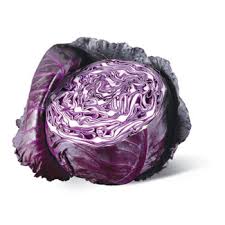
I learnt something very exciting about purple cabbage today. Apparently it changes colour depending on the pH of the soil in which it’s grown. In acidic soil the leaves are more reddish, in neutral soil it will grow purple leaves and in alkaline soil the leaves will be more yellow or green. The juice will also do the same depending on the solution it’s added to. That at least explains why my cultured purple cabbage is always a little more blue than purple. It’s alkaline. This colour shift is due to the high levels of anthocyanins which change colour in varying pH’s. Anthocyanins are usually predominantly found in the outer skin, which is why the colour seems to fade towards the centre. When it comes to cabbage, there are benefits to eating it both raw and cooked, so to get the most out of this fab food, try eating it both ways. Cabbage purple or otherwise, is a great addition to salads and of course is used to make coleslaw and sauerkraut. Why not throw it in to stir fry’s? Raw or cooked it’s a delicious and nutritious food.

Why purple cabbage?

Cabbage is part of the Brassica family, of which broccoli and kale belong. A low calorie vegetable, cabbage has a decent amount of fibre, vitamin A, vitamin C, folate and Vitamin K. It is also a good source of minerals such as calcium, magnesium and potassium. As mentioned, purple cabbage is high in anthocyanins, while the research is ongoing, early suggestions suggest they have potent antioxidant ability and a potent antiinflammatory action. Glucosinolates in cabbage can also be converted into a compound called isothyocyanate, which has potential anti cancer properties.

What are purple cabbages good for?

Cabbages are good for digestive health because of their high fibre content; this fibre also has beneficial effects on cholesterol levels by reducing cholesterol reabsorption in the intestine. Anthocyanins and glucosinolates present in purple cabbage have potent anti-inflammatory and antioxidant actions that may help to protect healthy cells from mutation into cancerous cells. Cabbage is also good for bone health, containing many of the necessary nutrients for bone health and remodelling.


Purple carrot
beautifulgirliethings.com
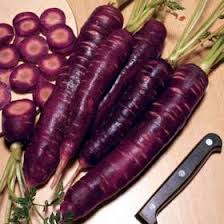
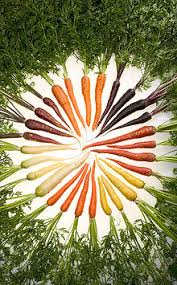
Have you seen these? They look so bizarre sitting next to their orange counterparts. Carrots have been different colours for thousands of years; it’s only really been during the last few hundred years that we’ve been keeping them orange. While orange carrots are wonderful and are certainly a great inclusion in the diet, why not mix it up. You can’t go wrong with purple! Cook them or eat them raw, just use them. I’d suggest replacing your orange carrots with them at least a few times a week; just do with them whatever you did before. It’ll simply look different. Be brave! I find that the longer I keep my purple carrots, the lighter the purple colour in the centre, sometimes they even go quite white, so buy them fresh and use them quick.

Why purple carrots?
docsfitnesstips.com
Realistically this list is not that different to normal carrots, with the exception of anthocyanins, which give purple carrots that beautiful purple colour. Carrots are a good source of beta-carotene and vitamin A, B vitamins such as folate, vitamin C as well as fibre.

What are purple carrots good for?

As with all carrots, they’re a great source of beta-carotene, which is great for eye health and the immune system. They’re great for skin and mucus membrane health; remember we need vitamin A for the proper function and repair of skin cells and mucus membranes (beta carotene converts to vitamin A in the body) Traditionally they’re used to treat intestinal problems and digestive issues such as constipation.

Eggplant

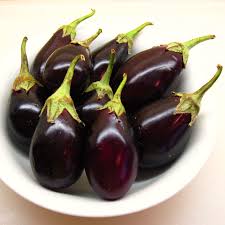
I have to say I have only just jumped on the eggplant bandwagon. I had an absolute dislike for it for the longest time and I'm so in love with it now I don’t even remember why it all went so wrong. In the last 8 weeks I have discovered 2 recipes that I can’t imagine living without, one is babaganoush the other is a paleo lasagna (vegetable and meat lasagna with no pasta). So now it appears eggplant and I are destined for a long and loving relationship.
kathdedon.wordpress.com
Why eggplant?

Eggplant is full of antioxidants, particularly an anthocyanin called nasunin, which is a potent antioxidant, protecting cell membranes, fats and cholesterol from oxidation.
Aside from this, eggplant is a lovely source of vitamins and minerals including vitamin K, some B vitamins including folate and potassium and manganese.

What is eggplant good for?

As all foods high in anthocyanins eggplants are a great source of antioxidants, they’re good for digestive health with their fibre content. Keep in mind that the nightshade family, to which eggplant belongs, is not suitable for everyone and many people find it aggravates inflammatory conditions.

Beetroot
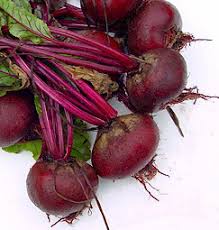
gadgetgirl.robnamy.net
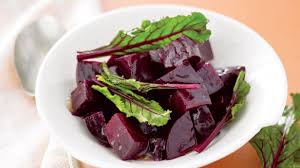
Oh beetroot how I love you. I suppose beetroot could be described as being red, but I’ve never claimed to be a colour expert. Nutritionally, it fits better with purple, I think it looks purple, so it’s purple, ok? Beetroot can be an acquired taste, its deep dirty earthy flavour isn’t necessarily everyone’s cup of tea but this root vegetable is a nutritional powerhouse. Eastern Europeans have borscht, or beetroot soup, here in Australia we have the good old roast dinner, and around the world we eat cold beetroot on hamburgers.

Why beetroot?

Beetroot is high in a red pigment called betaine (I’m still sticking to my guns, its purple!). Betaine works in conjunction with s-adenosylmethionine,B6, B9 and B12 in the body to regulate homocystine levels. Homoysteine can be used as a measure of cardiovascular health. Some research has also shown betaine to have liver protective properties. Beetroot is high in nitrate, which is believed to be the reason that beetroot juice and reduce blood pressure. It is also high in Vitamin A, B vitamins including B3, B5, B6 and folate (B9), and its full of minerals including iron, manganese, copper and potassium.
food.ninemsn.com.au
What is it good for?

Beetroot is great for cardiovascular health in general. It is also a potent antioxidant and may be beneficial for liver health.

Blueberries

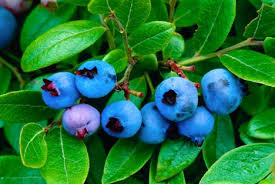
Now I know that you know this. I can’t imagine you’ve never heard of the benefits of blueberries, but I have 2 very good reasons for adding them anyway. The first is that they’re such a wonderfully beneficial food, I felt compelled to include them, and the second reason is that they’re really the only ‘blue’ food. I love blueberries, and they’re so versatile in their use. You can add them to fruit salad, eat them on their own or make desserts using them. I quite often blend them in smoothies. The problem I find with blueberries (it doesn’t stop me eating them mind you) is that the season is very short. In Australia we get blueberries over the summer months, and when they’re good, they’re amazing, and they’re cheaper when in season. From the end of summer onwards however, the price seems to go right up, and the quality declines quite quickly and it’s very hit and miss. Nothing is worse than a punnet of awful, bland, dry, gritty blueberries you’ve just paid $6 for. So, in summer I tend to use fresh, and the rest of the year I buy snap frozen berries and make smoothies.
gardenofeden.com.au
Why blueberries?

Blueberries are one of the most studied anthocyanin containing foods. They’ve been researched, with positive results, for their antioxidant and cancer prevention benefits, also as an antiinflammatory and for brain and memory health. They’re a good source of fibre, Vitamin A, vitamin C, vitamin K, phosphorus and potassium.

What are blueberries good for?

A potent antioxidant they’re good for anyone aging (hello, that would be all of us). They’re good for digestive health, brain function, and as an anti-inflammatory.
thefoodieandthebeast.com
So, that is purple and blue. How many times a week do you put this colour into your diet?