How often do you think about the health of your bones?
Despite their vital function, our bones seem to be a little undervalued,
particularly in our younger years. The fact is however that we’d be in a whole
lot of trouble without them. Unfortunately we don’t often see the effects of
our diet and lifestyle choices on our bone health until we’re older and
discover we have osteoporosis or another disease of the bone. By that point it’s
too late to rectify the situation and all we can hope for is to reduce further
damage.
The good news is that our bones are an ever changing
structure. There is a constant movement of minerals in and out of our bones,
and a constant building and breakdown of bone tissue. This is a natural occurrence
and happens in response to the daily supply of nutrients we provide and the demands
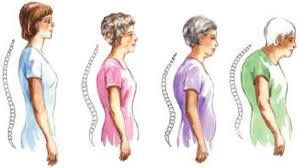
we place on our bodies. Whether you’re 25 or 60, you can use these basic
principles of diet and lifestyle to improve the structure and function of your bones so they’ll best
serve you, and keep you upright!
 |
| functiontofitness.com |
Diet
Diet is a leading factor in having strong and healthy bones.
Your bones are a storage place for a variety of minerals including calcium and
phosphorus. These minerals are also found in the blood stream and are used for
a variety of functions in the body. When levels of these minerals in the blood stream
drop to below ideal concentration the body takes the minerals from the bones to
top up blood levels. Ideally, we should ensure that our diet provides our
bodies with enough minerals daily so that we don’t need to break down too much
bone tissue to fill the demand. Makes sense right? Less breakdown means the
bones are stronger and thicker, more breakdown means they’re weakened. Where do
we get our minerals for bone health?
Dairy
Dairy was once touted as the best way, if not the only way,
to get your calcium and bone loving nutrients. These days however there are a
variety of reasons people steer clear of dairy, whether it be due to
intolerances, ethical reasons such as veganism or the dislike or processed food
(which most of our dairy is). The good news for you is that dairy is not your
only option for calcium. If you’re.
1.
For the dairy eater
a.
low fat dairy has slightly more calcium than
full fat products
b.
try swisse cheese, ricotta, mozzarella and
cheddar for some of the higher calcium concentrations
c.
Consider finding raw unprocessed milk if it’s
available in your country (it’s not allowed here in Australia). Given its not
treated with heat many of its vitamins like vitamin A and D (both of which are
important for bone health) are still present
2.
for the non-dairy eater
a.
If you’re using milk replacements like nut or
soy milks check to see that they are fortified with calcium (you’ll see this on
the ingredient list and also in the nutritional panel)
 Plant foods
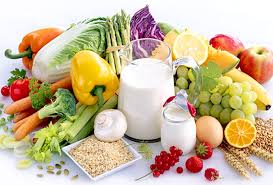
Many vegies, particularly dark green leafy vegies provide
good sources of dietary calcium, not to mention other nutrients for bone health
including manganese, magnesium, potassium, vitamin K, vitamin A and carotenoids.
1.
Vegies
a.
Dark green leafy vegies – vegetables like
spinach and kale and salad leaves like collard greens contain good amounts of
calcium.
b.
1 cup of cooked spinach for example contains
around 245mg calcium Broccoli is a good calcium source at around 60mg per
cooked cup
c.
Most vegetables have small amounts of calcium
present so mix it up and work towards a minimum of 3 serves of vegetables a day
d.
Vegies are a great source of nutrients like
manganese and copper which are important for bone health. They also contain
high amounts of carotenoids, vitamin A and importantly Vitamin K which involved
in regulating calcium deposit
2.
Fruit
a.
Fruit like figs, rhubarb, dates and dried
apricots contain good amounts of calcium
b.
Fruit is also a great source of potassium and
other minerals great for bone health
c.
Quite often fruit juice is fortified with extra
calcium
3.
Tips
a.
Lightly cook or steam your dark green leafies to
help break down factors that prevent nutrient absorption
b.
Eat a variety of foods, variety is the key to
any healthy diet
Nuts and seeds
Nuts and seeds are great sources of minerals
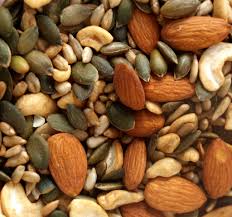 1.
Sesame seeds are a great source of calcium. A quarter
of a cup contains around 350mg. You can eat them by the handful, use them as a
crust on fish and throw them over salads
1.
Sesame seeds are a great source of calcium. A quarter
of a cup contains around 350mg. You can eat them by the handful, use them as a
crust on fish and throw them over salads
2.
Almonds – a small fist full of nuts contains
around 75mg of calcium, not to mention magnesium
3.
Include a variety of nuts for their vast mineral
content and health benefits
Fish
1.
Eating canned fish such as tuna and salmon with
their bones is a good way to get additional calcium
2.
Fatty fish such as mackerel and salmon are food
sources of vitamin D
Alkaline diet
Eating a diet high in vegetables and low in acid producing
factors such as sugar and alcohol helps keep the bones healthy. How? Minerals
often act as buffers, stabilising the pH. If your body is too acidic, minerals
will be pulled from the bone or taken from the bloodstream to buffer and reduce
the acidity back to your body’s acceptable levels. Eating a nutritious, more
alkaline diet means less bone loving minerals being used for other purposes.
Lifestyle factors
Exercise
Exercise is huge for bone health. Your bones are constantly
remodelling and rebuilding themselves based on the stress or load you place on
them. If you try to lift an item and it puts pressure on your arm bones, your
arm bones will over time become stronger in order to support the heavier load.
Therefore one of the best ways to improve bone health and strength is to
exercise and stress those bones! The best exercises for bone health are those
with weight bearing such as

-
jumping rope (weight on the lower body)
-
impact aerobics
-
weight training (full body workout)
-
running/jogging (weight through lower body and
spine)
Not into these? Any exercise that has some sort of
resistance or weight component will do. Just get moving. Osteoporosis Australia has some great tips on exercise for bone health.
Get enough sunlight
Sunlight allows your body to produce vitamin D and really,
you need vitamin D, not just for bone health but for general health and
wellbeing. I’ve written an article on vitamin D if you’d like to know more
about this fabulous vitamin.
Avoid smoking
The chemicals in smoking reduce your mineral absorption and
draw minerals from the bone. Enough said really.
Avoid excess alcohol
Excessive alcohol intake is inflammatory and can cause
mineral loss from bone and malabsorption of minerals.
Reduce Caffeine and soft drink intake
Both of these affect mineral absorption. Soft drinks are
high in phosphorus which needs to be balanced with calcium for proper bone
health. Excess soft drink intake can throw this balance out and reduce calcium
absorption and bone health.
So there you have it, some diet and lifestyle tips to keep your bones strong and healthy into the future. It isnt complicated but the earlier you start, the better, so eat up.
Chris
Cacao is a good source of magnesium. It is used to make dark chocolate or you can buy the powder and use it as you see fit.
